On the second day of Crittermas, my true love was a bug
‘Twas the Silverfish~
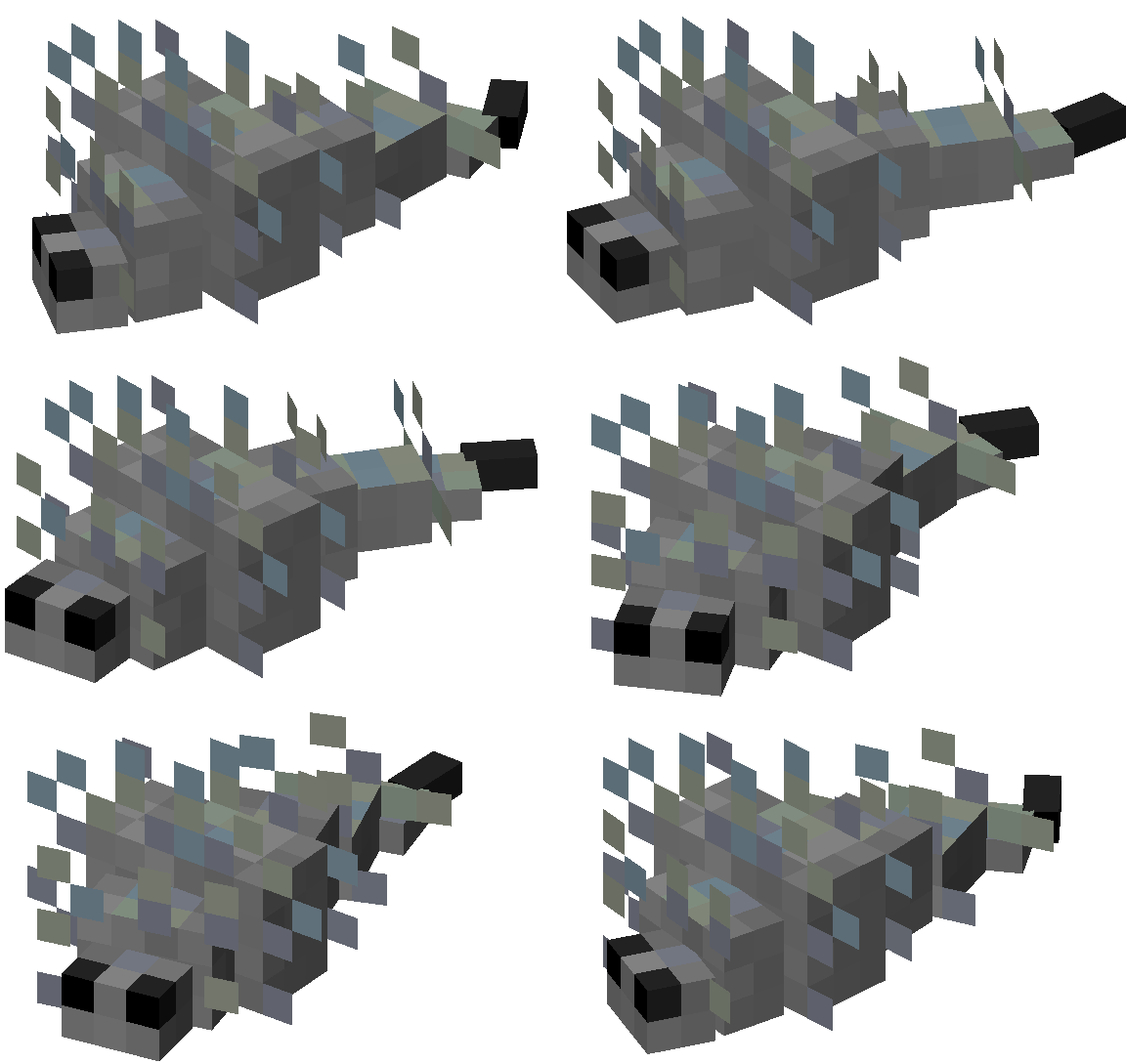
You already know about silverfish, I’m sure. They’re the wiggly little guys that infest stone in Strongholds and Woodland Mansions and such, and will do about every goshdarn thing in their power to swarm you when you’re just trying to go about your business.
Since they primarily congregate in rocks, which are famously inedible, scientists aren’t really sure what they eat. However, they are close relatives of endermites, which—
Wait, endermites?
What in the world is an… ohhh…

Ohhhhhh.
Kids.. always check your sources..
Silverfish from real life are insects, which I was surprised to learn! I assumed they were close relatives to centipedes or millipedes, which would’ve made them something called a myriapod, but alas they have only six legs— somehow I never noticed this??--- and compound eyes, making them insects.
We also know exactly what they eat! The silverfish diet primarily consists of… whatever the heck they want, really.
Silverfish are omnivorous, and not even close to picky. They’re scavengers, meaning they don’t go hunting for meals, and instead they’ll just eat whatever’s lying around. That includes other arthropods, which they’ll eat the molted exoskeletons of… or even the entire corpse of. Some less-than-academic sources will claim that they help keep spider populations in check, an idea I imagine comes from people observing a silverfish eating either a dead spider, or a shed they mistook for a dead spider, and assumed the silverfish must have hunted the spider down like a little bad-ass.
Alas, silverfish are hardly bad-ass. They like to hang out in wet crevices and hate light. It’s actually the spiders that eat them.
But... they must be doing something right! They've been around for over 100 million years! And that's the conservative estimate!
Silverfish are “basal” or “primitive” insects, meaning that they are likely to closely resemble the common ancestor of all insects. In other words, insects appeared on the scene, spawned the silverfish and some friends, and while all the other bugs got busy evolving, the silverfish decided to stay right where they were.
One of the reasons we know this (other than fossil evidence, which is pretty limited) is that silverfish and their close relatives don’t have wings. Sure, lots of insects don’t have wings (I’m sure you’ve already thought of a few objections), but that’s almost always because their ancestors had them, and then lost them at some point. But not silverfish! They never had wings, indicating that they branched off from the rest of the bugs before wings evolved.
Similarly, while silverfish do have the signature 3-part body of insects, it might not look that way at first glance.
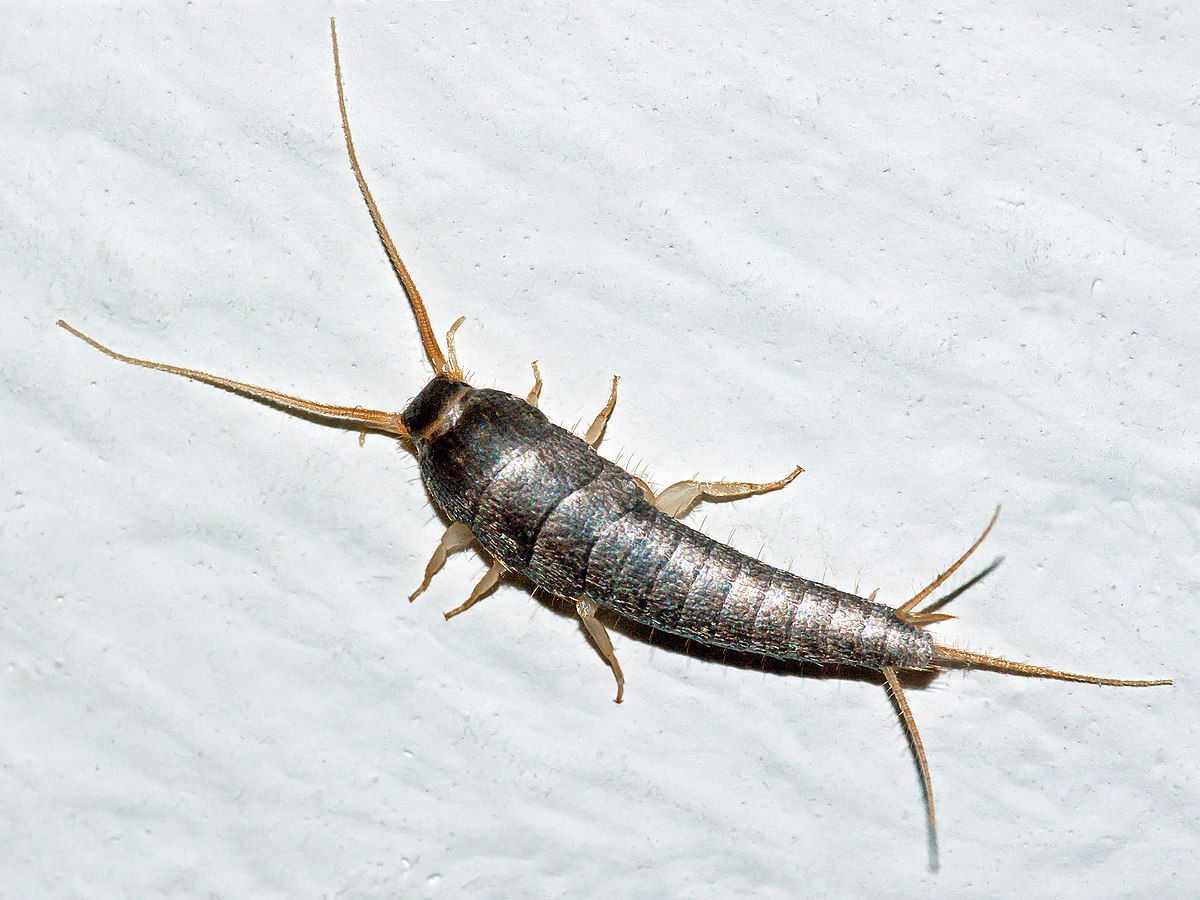
© Christian Fischer
Though, taking a closer look, you can pick out the head from the thorax, and thorax from the abdomen. Still, it’s not nearly as obvious as it is in most insects, another clue that silverfish branched off from the other bugs long ago.
While we’re on the subject of their bodies, it’s not hard to see why they’re called silverfish, is it?
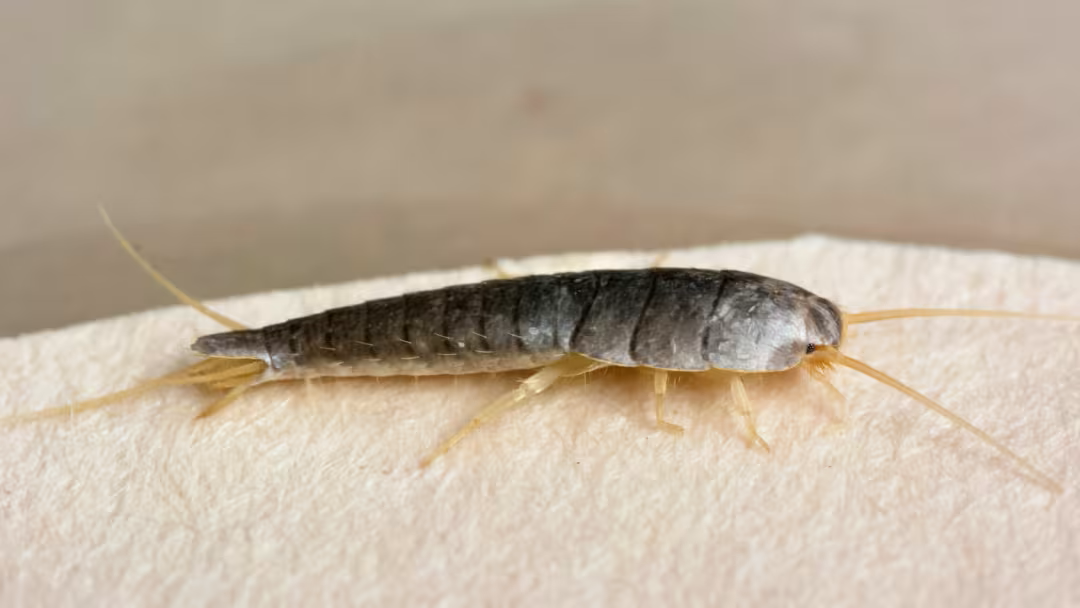
© Dmitry Bogdanov
Silver sheen… check!
Fishy sort of shape… check!
Sometimes they even appear to be very fish-like in their movements. When they walk, they’ll wiggle their bodies back-and-forth in a way resembling a swimming fish.
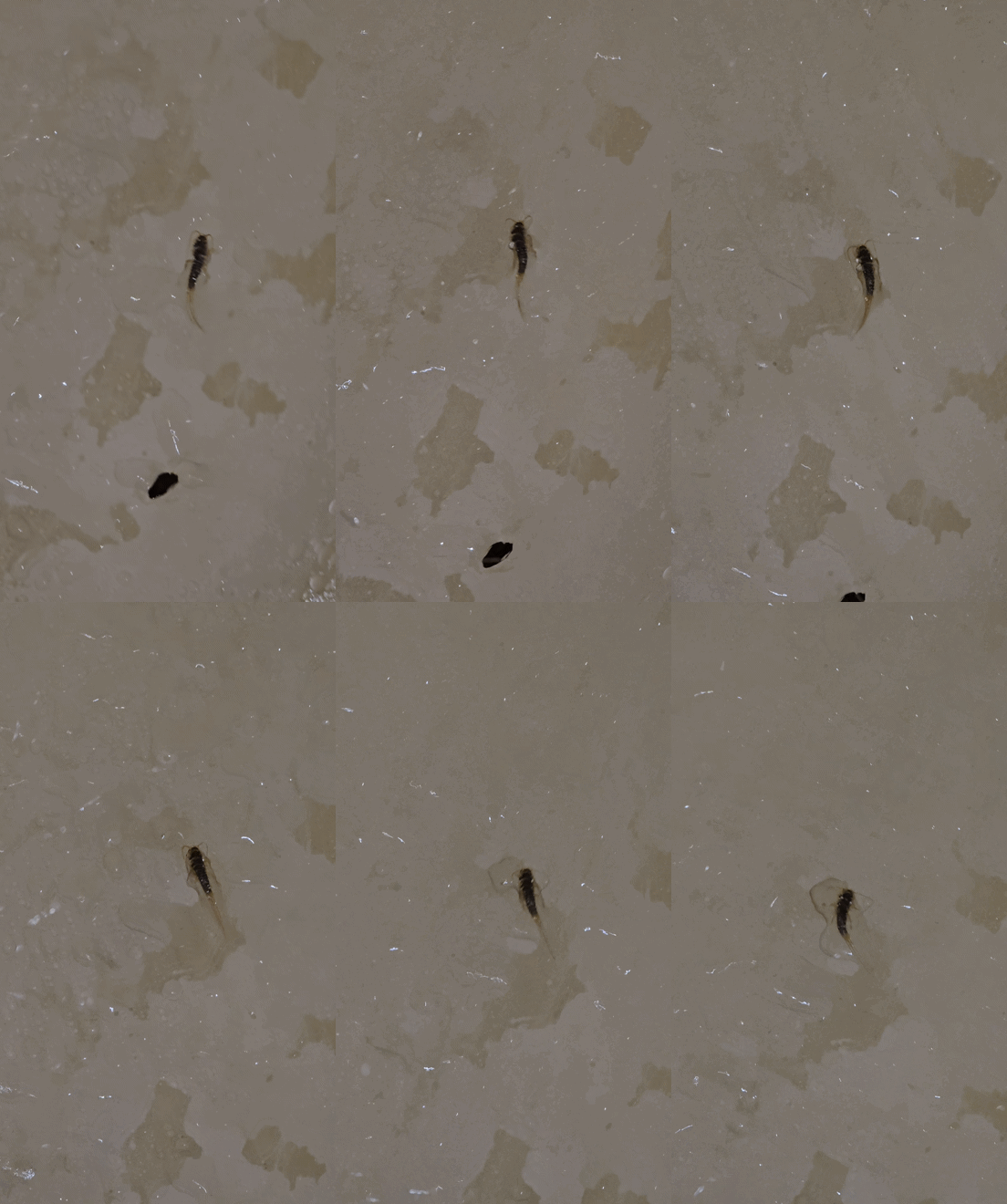
© u/OK_Document4760 , Reddit
And this is, in my opinion, the real cherry on top: if you look closely, they even seem to overlapping scales, the same way a fish would!
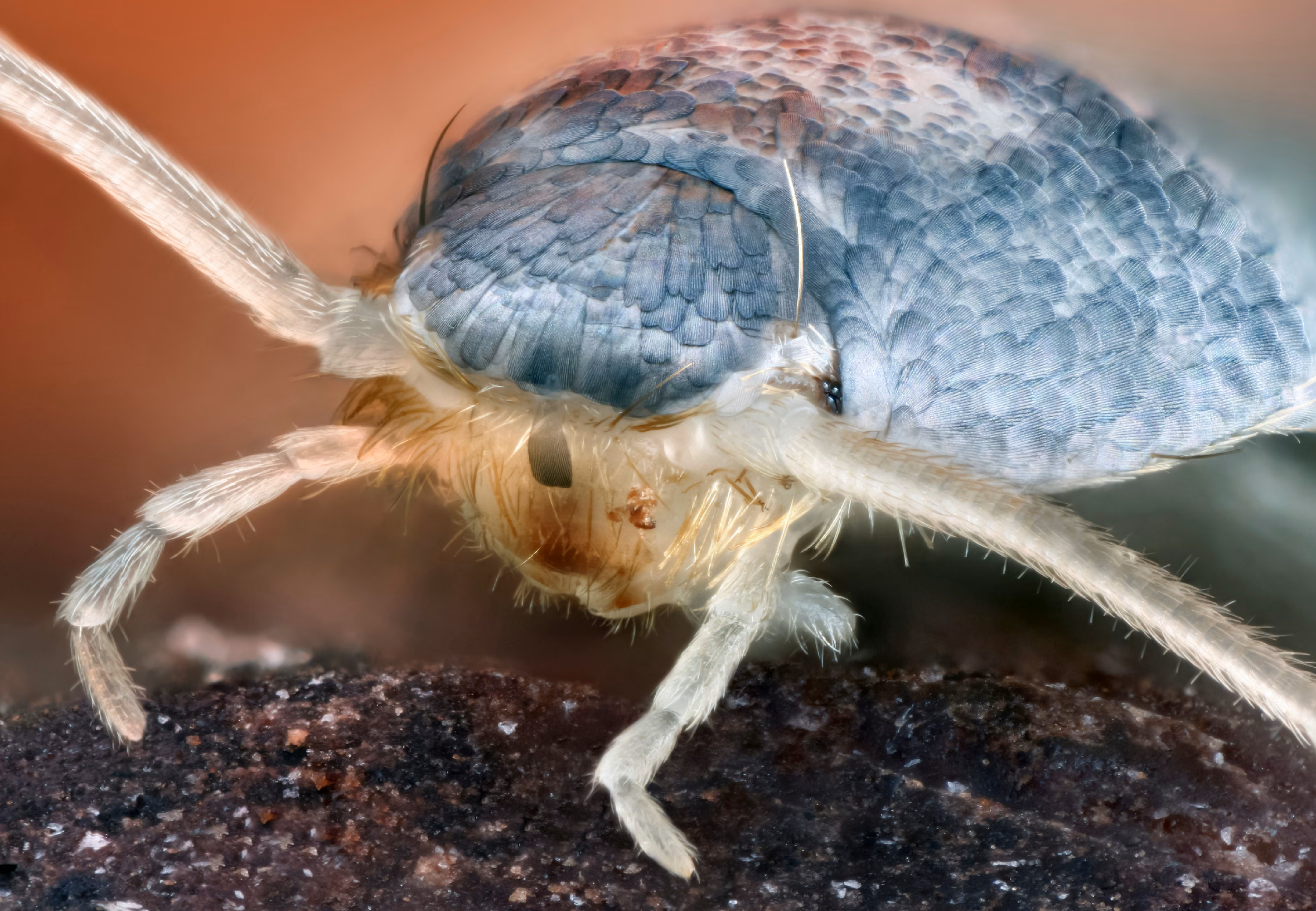
© Avstraliavasin , Getty Images
Their lil faces really are just sooo cute, don’t you think?
They even have their own way of flirting!
(I cannot find a single photo or video of the process, but these two videos by Kyoto University (1)(2) showcase a very similar ritual done by firebrats, a close relative of silverfish.)
It starts when a male takes a liking to a female, and approaches her so they can touch antennae. He might occasionally back up and take a break to skitter (shy, I suppose?) before the two get right back to it. One paper even describes the pair circling each other a couple of times. Finally, this silly little dance ends when the male deposits a “packet” of sperm on the ground, called a spermatophore, before promptly running off, never to be seen again, like the total deadbeat he is.
Silverfish really are just such cool little bugs, but they very often get overlooked as just another household pest. When I said silverfish will eat anything earlier, I meant that. Anything that could possibly have nutritional value is something they will gobble right up, and as it turns out, a lot of our stuff has nutritional value.
Essentially anything made from an organic material will still contain the sugars said material used while it was alive. Because of this, our natural-fiber carpets and clothes, our books, our poorly-secured cereals and baking goods… all of these make for some pretty choice snacks for silverfish. Although, you may be noticing that wood is absent from this list.
People sometimes notice that where there are silverfish, there is often weak and decaying wood. Just like with the spiders, this is a case of people noticing a silverfish in proximity to something else, and mistakenly assuming the “something else” is the silverfish’s fault.
They aren’t the reason a wooden structure is damaged, it just happens that the dark, damp little crevices often created by damaged wood are the perfect place for them to live. It’s not their fault, it was already like that when they moved in! Cut ‘em some slack!
Justice for the silverfish. They’re only eating your old books and maybe your carpet, too, I guess, and maybe the glue that holds your wooden stuff together and... Well, bottom line, they’re not eating your house.
See ya tomorrow!